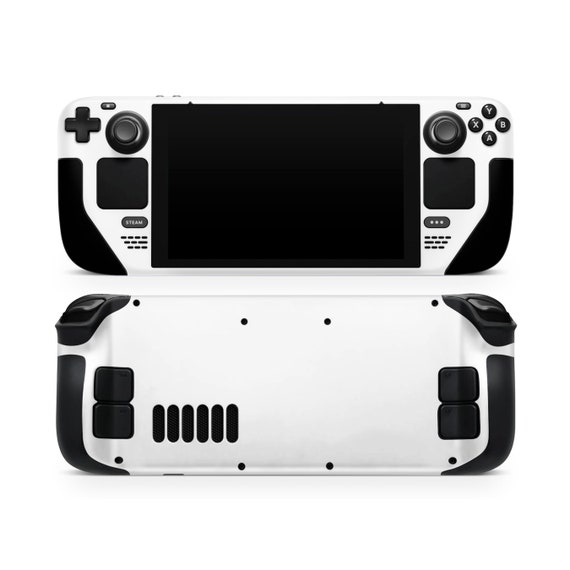
Top 5 Features of the Steam Deck You Need to Know
The Steam Deck has taken the gaming world by storm, offering a portable yet powerful device for gamers on the go. Here are the top 5 features of the Steam Deck that you need to know:
- Powerful Hardware: The Steam Deck is equipped with a custom APU (Accelerated Processing Unit) developed by AMD, featuring a powerful quad-core CPU and RDNA 2 architecture for graphics. This allows for an impressive gaming experience even for demanding titles.
- Compatibility with PC Games: Unlike many handheld devices, the Steam Deck runs a modified version of SteamOS, which allows you to play a vast library of PC games. For more details, visit Steam's official page.
- Customizable Controls: The features precise thumbsticks, trackpads, and a full set of buttons, making it easy to tailor your controls for any game. Its versatility is a game changer, allowing you to enjoy everything from platformers to first-person shooters comfortably.
- Large Storage Options: With options ranging from 64GB eMMC to a blazing-fast 512GB NVMe SSD, the Steam Deck provides ample storage to accommodate your gaming library. Additionally, it supports microSD cards, offering a practical way to expand your storage capacity without hassle.
- Docking Capability: The Steam Deck can be docked to connect to external displays and accessories, turning it into a more traditional gaming setup. This feature also expands the gaming experience beyond the handheld form factor. For further insights, check this PC Gamer article.
Is the Steam Deck the Future of Portable Gaming?
The Steam Deck has quickly gained recognition as a revolutionary device in the realm of portable gaming. With its powerful custom APU, ergonomic design, and a library that includes AAA titles, it aims to merge the best of PC gaming with the convenience of handheld play. As gamers increasingly seek performance and versatility, the Steam Deck could set a new standard for what a portable console can offer. Its compatibility with Steam's vast library, alongside the ability to install other storefronts and even non-gaming applications, positions it as a pivotal player in the future of gaming. For more details, you can check out this official Steam Deck site.
Moreover, the Steam Deck fosters a unique gaming experience through its robust community-driven platform. Its capabilities to support mods, game streaming, and various operating systems pave the way for a customizable experience that traditional consoles cannot match. This adaptability not only appeals to hardcore gamers but also encourages a broader audience to embrace portable gaming. As technology continues to evolve, the Steam Deck’s innovative approach may very well signify the future of portable gaming. For further insights on its impact on the industry, refer to this TechRadar review.
How to Maximize Your Steam Deck Battery Life for Extended Gameplay
Maximizing your Steam Deck battery life is essential for extended gameplay sessions, especially when you're on the go. One effective way to achieve this is by adjusting your device settings. Start by reducing the screen brightness, as a lower brightness can significantly decrease power consumption. Additionally, consider limiting your frame rate to 30 FPS, which strikes a balance between smooth gameplay and battery efficiency. Utilizing Power Saving Mode can further help by optimizing various background processes to conserve energy.
Another crucial step in extending your Steam Deck battery life is managing your game graphics settings. Many games allow you to lower graphics settings, which can reduce the workload on your GPU and therefore save battery life. Consider using game profiles that are optimized for performance rather than aesthetics. Lastly, regular updates are vital for ensuring that your Steam Deck is running efficiently—check for firmware updates frequently to benefit from any improvements related to battery optimization.